Cruise through Seligman, Arizona along a 1.5-mile stretch of Historic Route 66—home to quirky diners, neon nostalgia, and the birthplace of the Route 66 revival.


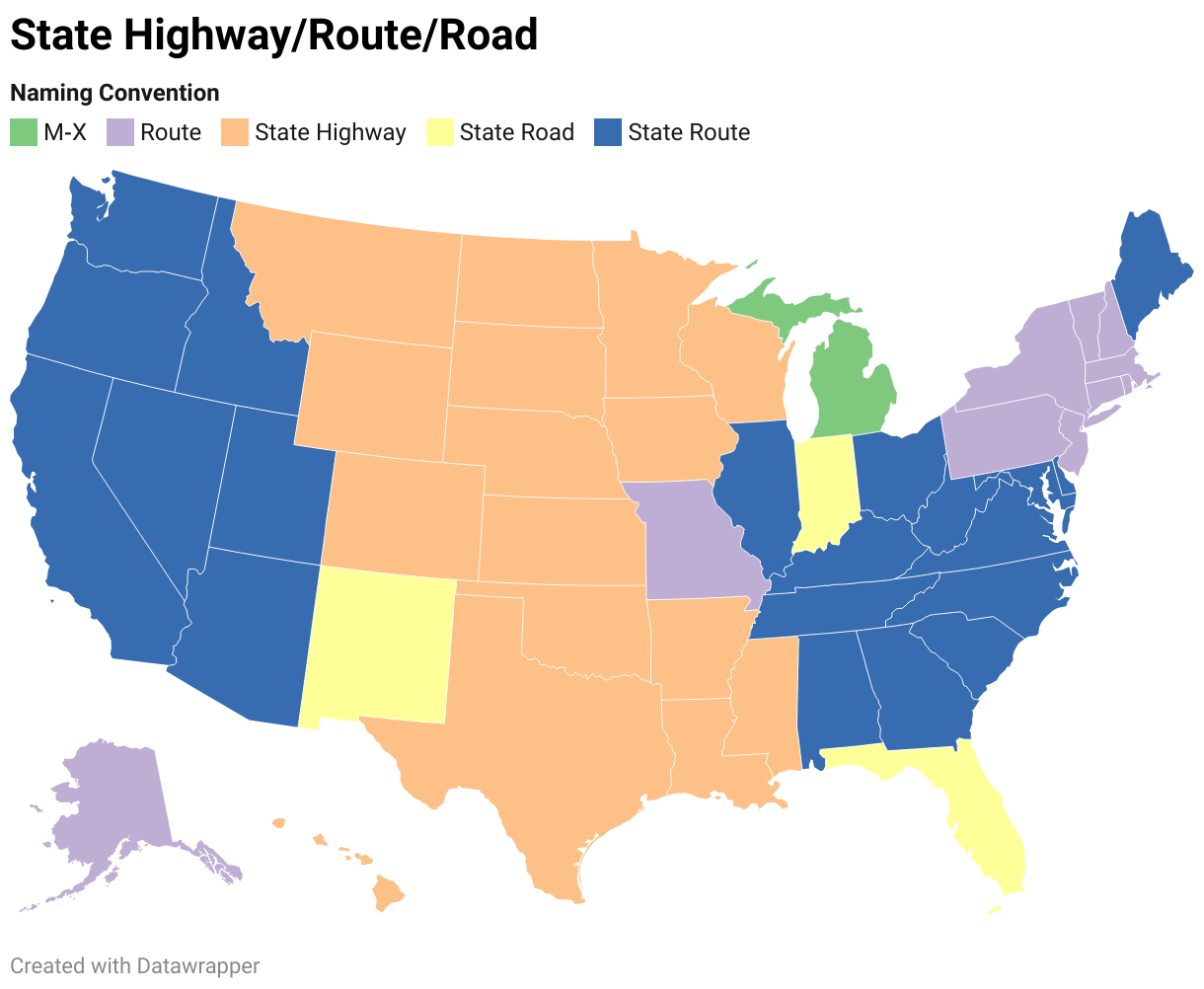
Explore America’s diverse network of state highways—regional routes managed by individual states that connect towns, cities, parks, and scenic landscapes.
State highways form the backbone of regional travel across the United States, offering essential connections between cities, rural communities, and major national routes. Managed by individual state departments of transportation, these highways vary widely in scale—from narrow rural byways to multi-lane expressways rivaling interstates in traffic and speed. While numbering systems and signage conventions differ from state to state, each network plays a critical role in local mobility and economic development.
Unlike the federally designated Interstate and U.S. Highway systems, state highways are developed and maintained at the state level, giving them a unique character and flexibility. Some follow historic paths and scenic corridors, while others serve as modern commuter routes or urban spurs. Many are vital links to state parks, natural attractions, and lesser-known destinations that don’t fall within the national systems.
On this site, we highlight a growing collection of notable state highways, organized by region and state. Whether you’re tracing a scenic loop through the mountains, navigating a fast-moving corridor through a metro area, or exploring forgotten rural routes, our guides offer detailed overviews, and video journeys to help you plan your next adventure.
State Departments of Transportation use different terminology for their designated road systems, with some states using “state highway,” others “state road,” and still others “state route.” These distinctions, though seemingly minor, often reflect historical and legislative traditions within each state. The choice of a particular term can be tied to the legal language used when the road network was first established or expanded. For example, a state might have initially defined its network as a “system of highways” for commerce and travel, while another may have focused on creating a “system of roads” for local and inter-city connections. The term “state route” is often a more modern designation that emphasizes a specific numbered path for navigation rather than the physical characteristics or purpose of the road itself. While the exact reasoning for each state’s choice is complex and rooted in its unique history, the map on the right provides a visual guide to which term is used where.
Cruise through Seligman, Arizona along a 1.5-mile stretch of Historic Route 66—home to quirky diners, neon nostalgia, and the birthplace of the Route 66 revival.

Take a scenic drive along Arizona Route 64 from Valle to Williams, Arizona. This 28-mile journey winds through desert plains and into Kaibab National Forest, ending in the historic mountain town of Williams near Interstate 40 and Route 66.
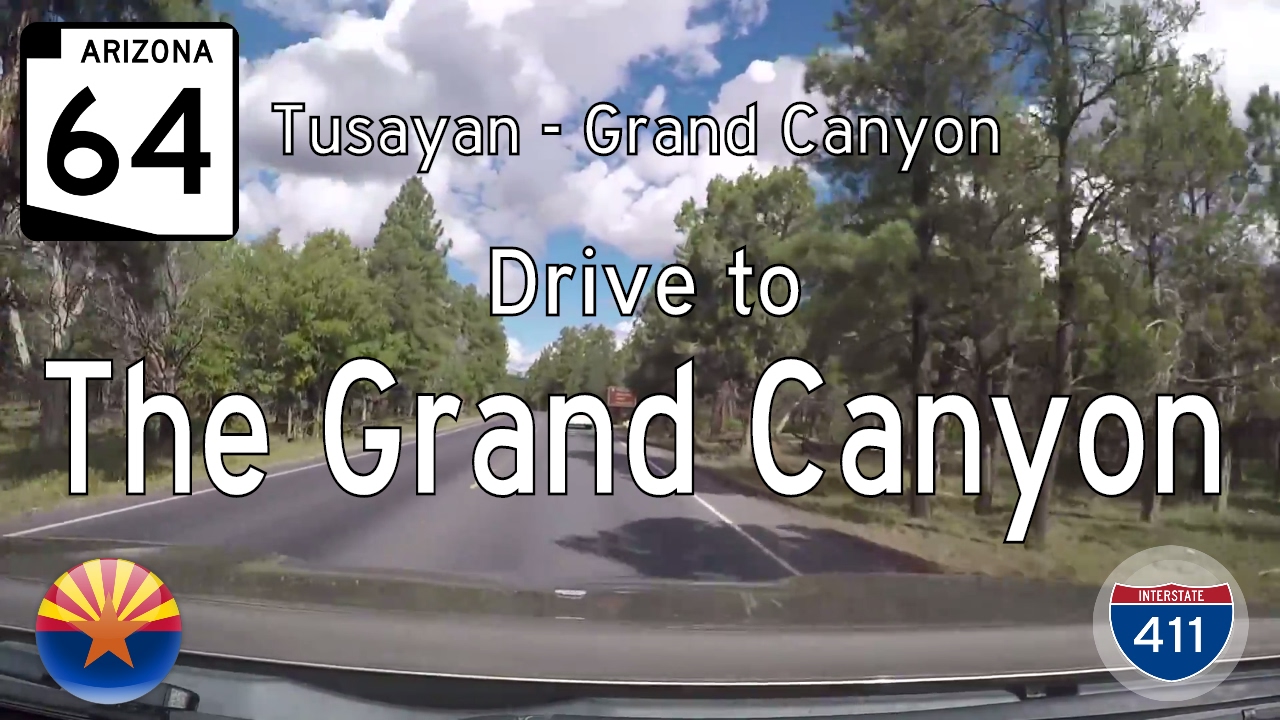
Follow Arizona Route 64 from Tusayan to Grand Canyon National Park in this short but iconic 6-mile drive through Kaibab National Forest to the South Rim’s main entrance and visitor area.

Take a scenic drive along Arizona Route 64 from Valle to Tusayan, the gateway to Grand Canyon National Park. Explore forested highlands, tourist stops, and historic attractions on this essential 25-mile approach to the South Rim.

Travel 5 miles west along Historic Route 66 from Thoreau, New Mexico, to the Continental Divide. Experience a short but iconic stretch of the Mother Road through the Navajo Nation, climbing to a historic milestone where east meets west.
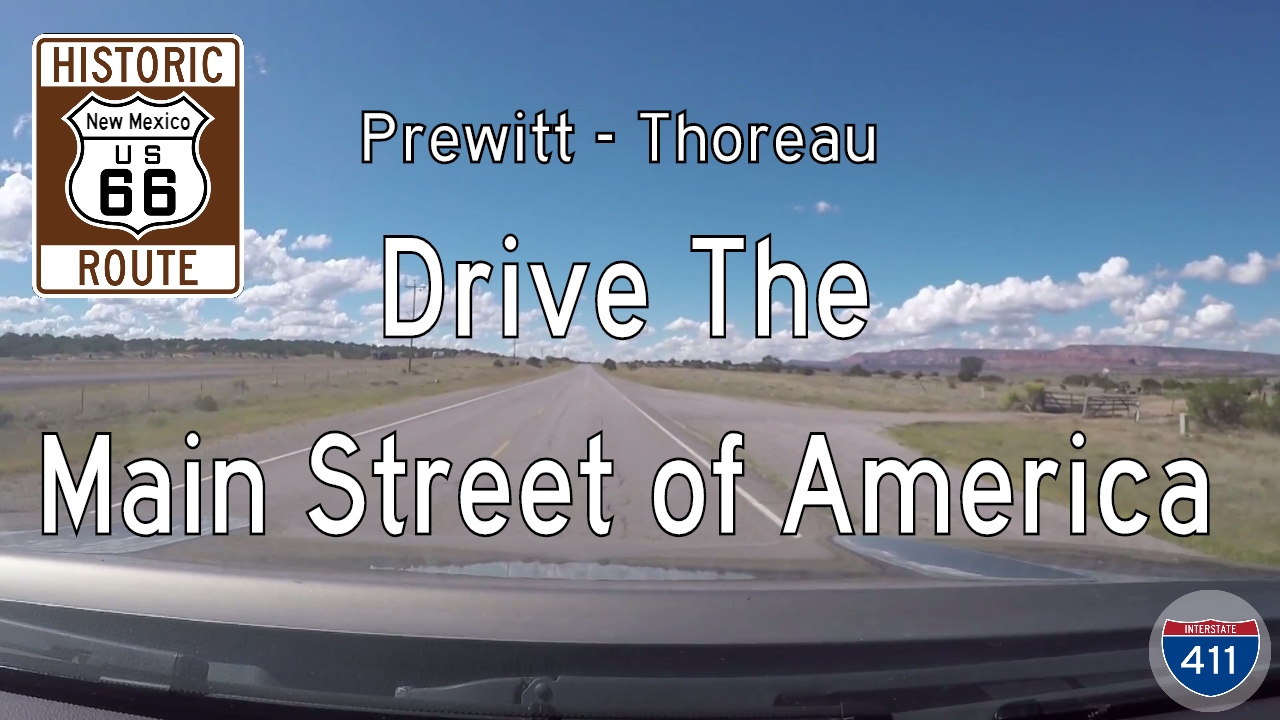
Experience a quiet 10-mile journey along Historic Route 66 from Prewitt to Thoreau, New Mexico, where high desert scenery, roadside relics, and timeless history create a peaceful Southwest drive.
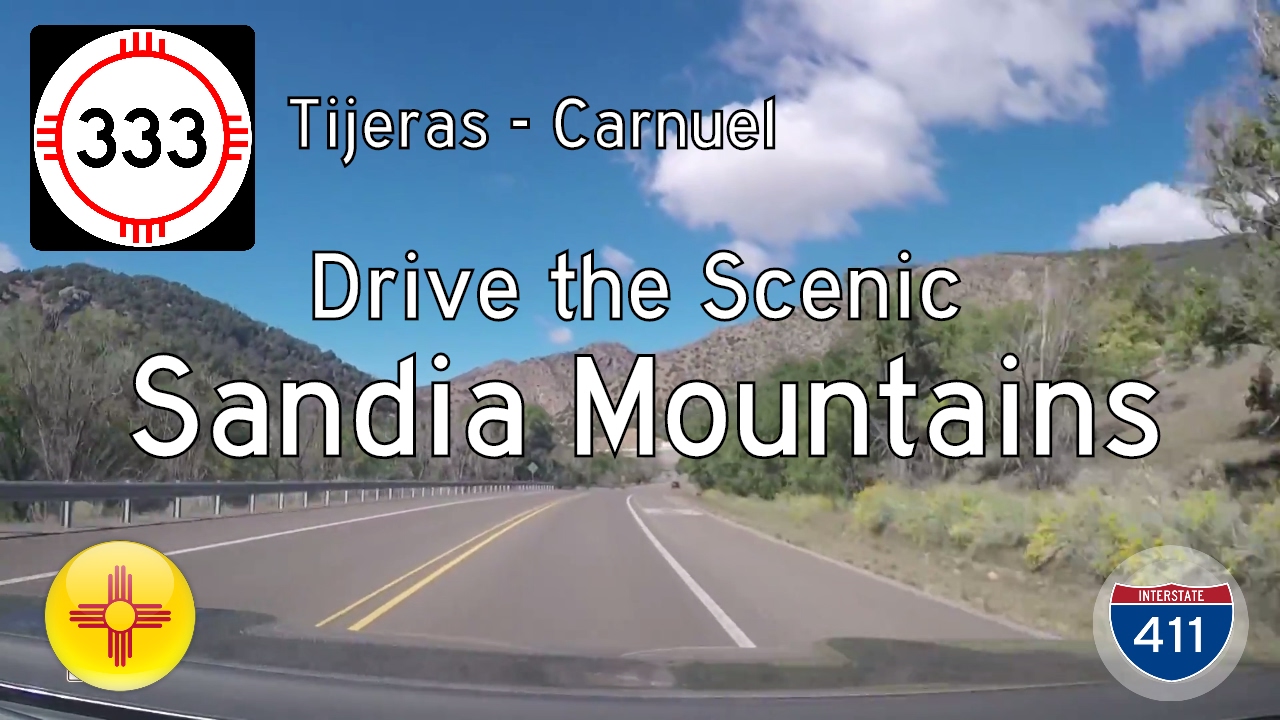
Follow a 5-mile stretch of New Mexico Highway 333 / Historic Route 66 from Tijeras to Carnuel, winding through the Sandia Mountains and into Albuquerque’s eastern edge on a road steeped in history.